
YARN REVIEW: Blacker Yarns Lyonesse
Lyonesse by Blacker Yarns is a 50/50 blend of linen and wool. Find out what it's like to work with and what to use it for.

What kind of yarn is it?
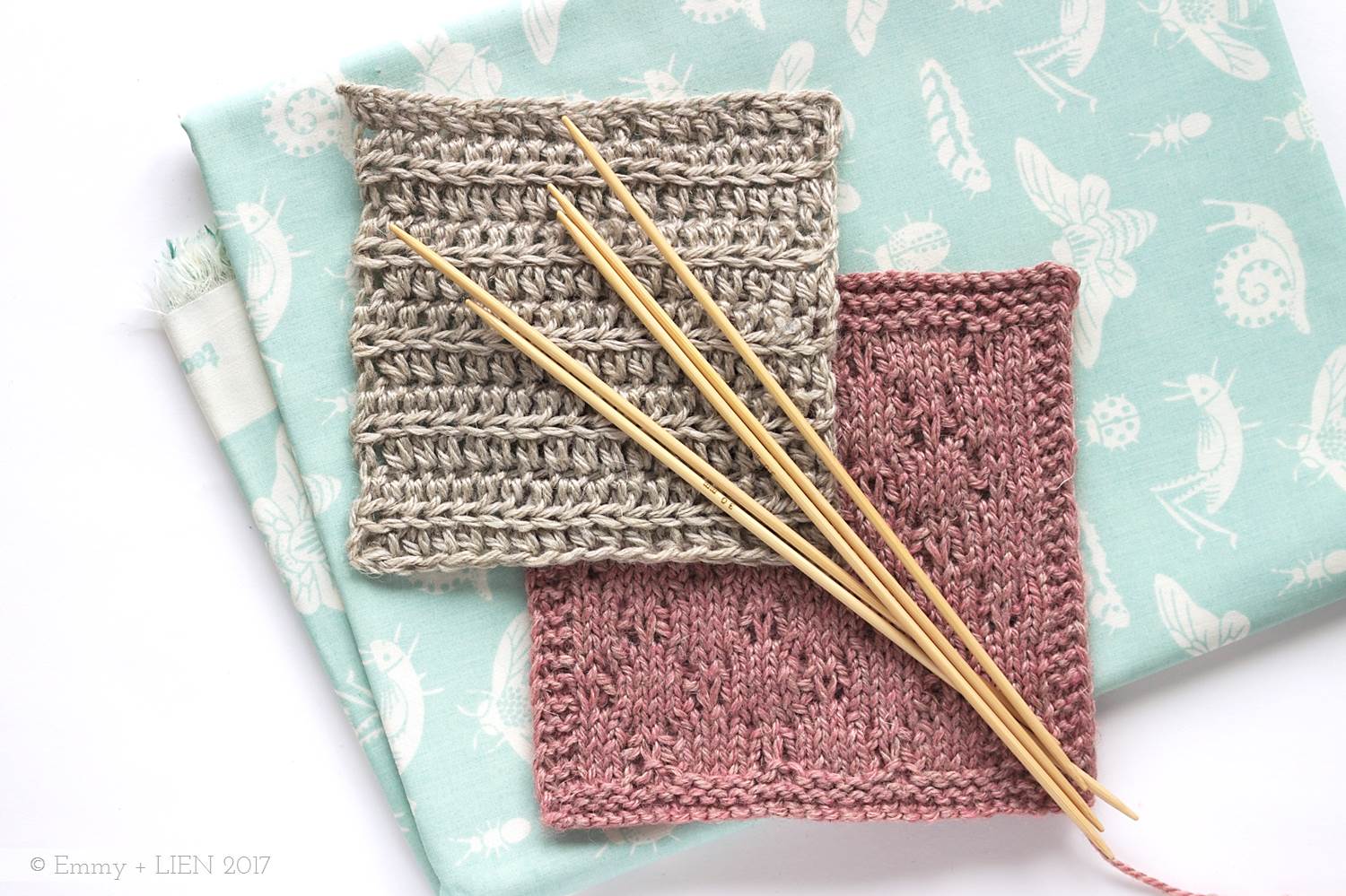
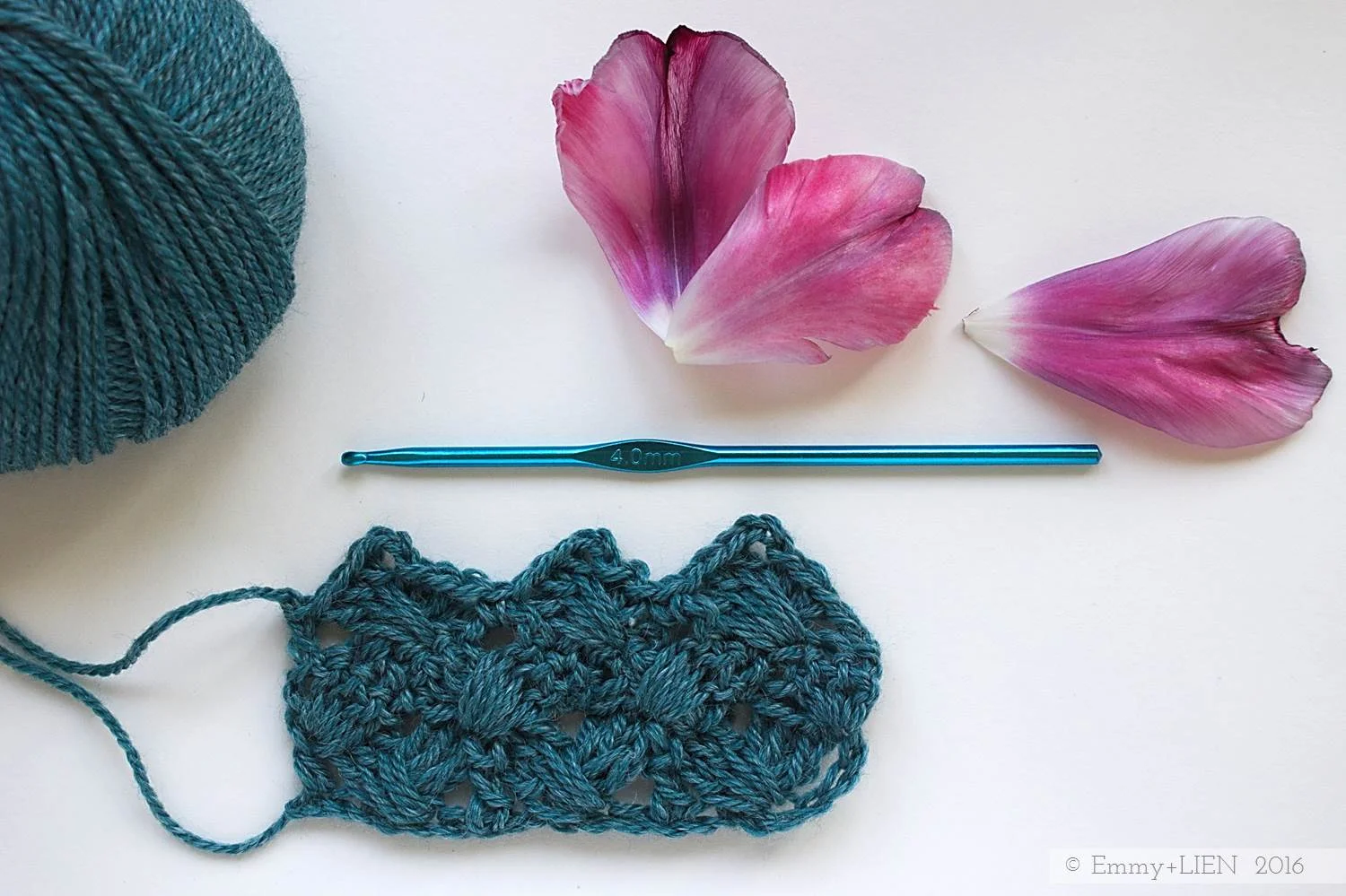
- Lyonesse by Blacker Yarns is a 50/50 blend of linen and wool (Falkland Island Corriedale or Merino). It's available in both 4-ply and DK weights. The swatches shown use the DK, with a 4mm hook for the crochet swatch and 3.5mm needles for the knitted one.
- The combination of linen and wool gives Lyonesse a very interesting feel; it's a little stiff at first but soon softens up. Once blocked it really relaxes into a wonderful suppleness.
- Lyonesse comes in a range of 15 shades, including one undyed neutral.


Who makes it?
Lyonesse is made by British company Blacker Yarns, who are part of specialist wool millers The Natural Fibre Company. The company's main focus is on high-quality, natural, UK-sourced and produced yarns. It pays fair prices for all the fleeces it buys, so as to help support British farmers. Animal welfare and appropriate waste disposal are also of high priority.
Plus Points?
- Each of the fibres used in Lyonesse brings its own characteristic to the finished material. The linen adds crispness and strength, while the wool lends softness and memory. In other words, what you get is excellent stitch definition with just a touch of fluffiness. It also has the typical "give" you would expect from linen, but doesn't go overly baggy thanks to the wool. It retains its blocked shape amazingly well.
- The shade range isn't huge, but it is versatile in that each colour has a good depth to it and is very wearable.
- Merino or similar wools can be quite fragile on their own, but the addition of linen makes this much more hardwearing. It is clearly meant to be used for items that will really be worn and loved for a long time.
Negatives?
- Stiff, dense fibres such as linen and cotton can be quite tough on the joints. Although this yarn is soft to the touch, I did feel fatigue in my fingers and wrist especially when crocheting with it for a long time.
- Availability of all the shades isn't constant, but depends on when each season's fleeces come in. Blacker are very helpful when you get in touch to ask about their stock though!
What should I use it for?
Lyonesse is a good mid-season to summer yarn and would make beautiful lacy or cabled garments as well as accessories.
Suggested pattern: Betty Bolero

Note: I was not compensated in any way for writing this review

YARN REVIEW: de rerum natura Ulysse
Ulysse by de rerum natura is a merino yarn produced in France in an ecologically and ethically sound way. Find out what it's like to work with and what to use it for.

What kind of yarn is it?
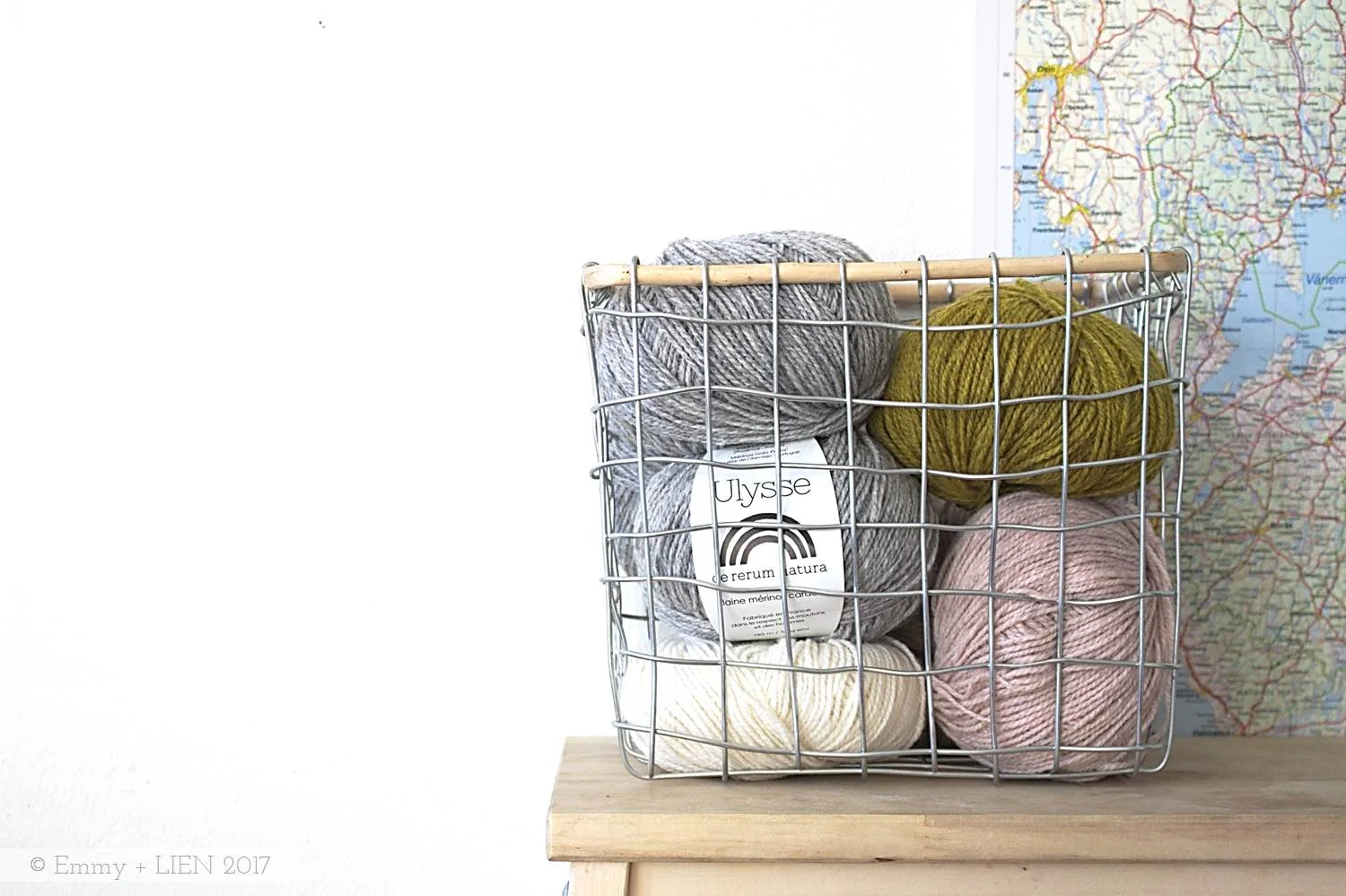
- Ulysse by de rerum natura is a carded, 100% merino yarn blended from two to three different sheep breeds.
- It's a 2-ply sport weight yarn with a recommended needle size of 3 to 3.5mm. As a loose crocheter, a 3mm hook works best for me. For knitting, 3.5mm wooden needles gave me 24 sts by 36 rows.
- As this is a non-superwash merino, it has a great structure with plenty of bounce and crunch. It does not feel like a slinky, shiny superwash merino at all. Rather, it feels soft in a natural, sheepy way.
- Ulysse comes in a range of 25 shades, including earthy neutrals, soft pastels and a few brights. All shades are available in 50g balls, and the neutrals are also available in 100g hanks.

Who makes it?
Ulysse is made by French company de rerum natura, who aim to create yarns that respect both the animals and people responsible for producing them. The sheep are reared humanely in France or Portugal, and all yarn processing is carried out as ecologically as possible in France.
Plus Points?
- Where appropriate, Ulysse is blended from the fleeces of both white and black merino sheep before being dyed. The result is an incredible depth of colour that manages to look rich as well as earthy.
- Thanks to its slightly crunchy, firm structure this yarn holds stitches very well and is an absolute joy to work with.
- Being merino, it's still soft and fluffy enough to consider wearing next to the skin. It softens further with time.
- It feels lightweight yet warm when worn.

Negatives?
- This yarn is reasonably easy to "break" - pull hard enough on a strand and it will come apart. Thankfully it isn't actually splitty, but when joining two strands with a knot, for example, care needs to be taken. I do also wonder how areas such as elbows would stand up to heavy wear.
- Ulysse should only be handwashed, so you may not want to use it for items that need washing frequently (i.e. baby knits!).
What should I use it for?
Ulysse is especially suited to colourwork such as fairisle, fine cables or lace. It works just as well for garments as for accessories - think feminine cardies, big beautiful shawls or fairisle beanies.
Suggested pattern: Hanabira cardigan

Note: I was not compensated in any way for writing this review

YARN REVIEW: MoYa Whisper
MoYa Whisper is a line of 100% organic cotton in 19 soft, powdery shades. Find out what it's like to work with, what to use it for and where to get it.

What kind of yarn is it?
- MoYa Whisper is a 100% organic cotton. It's a standard Double-Knitting (DK) yarn, with a recommended hook size of 3.5 to 4.0 mm (needle size 3 to 4 mm). For a loose crocheter like me, 3.5 mm is spot on.
- This yarn is hand dyed, so each ball has its own unique colour gradation. The peach shade pictured above ranges from a very light baby pink to a dark raspberry. However, each ball within a dye lot has the same base colour, so they do of look good together.
- The colour range includes 19 powdery shades, with a good number of neutrals and a few delicious brights thrown in.

image credit: scaapi.nl
Who makes it?
MoYa Yarn is based near Cape Town in South Africa. The company is run by a mother and daughter team, who specialise in hand-dyed, unique yarns.

Plus points?
- MoYa Whisper has a high twist, meaning it absolutely does not split. When you're doing fiddly stitches such as puffs, this is a godsend!
- Like all cotton yarns it's fairly dense, but it still feels soft and supple to work with. I've found it softens up more over time, too.
- The colours are to. die. for.
- It's organic!
Negatives?
My only complaint is that MoYa yarns are still a little tricky to get hold of in some parts of the world. However, I know its distributors as working hard to change this. For European stockists you can check Scaapi's website, and the Australia & New Zealand market is covered by intambo.
What should I use it for?
MoYa whisper is perfect for baby and children's items such as blankets, sweaters, hats, etc. Even though cotton is usually recommended for wash cloths and the like, I wouldn't use this yarn for those - it's just too nice!
Suggested pattern: Peach Pocket Tunic

Disclosure: I received one ball of MoYa Whisper as a sample. The decision to write this review, and all opinions and words included in it, are my own.

Sea Water, Sun and Yarn
Now the autumn/winter proposals have been handed in, it's time for a little late Spring sneaky peeking. Add in a mini yarn review, "sea water" and "sun", and it feels like we're heading for a great summer.
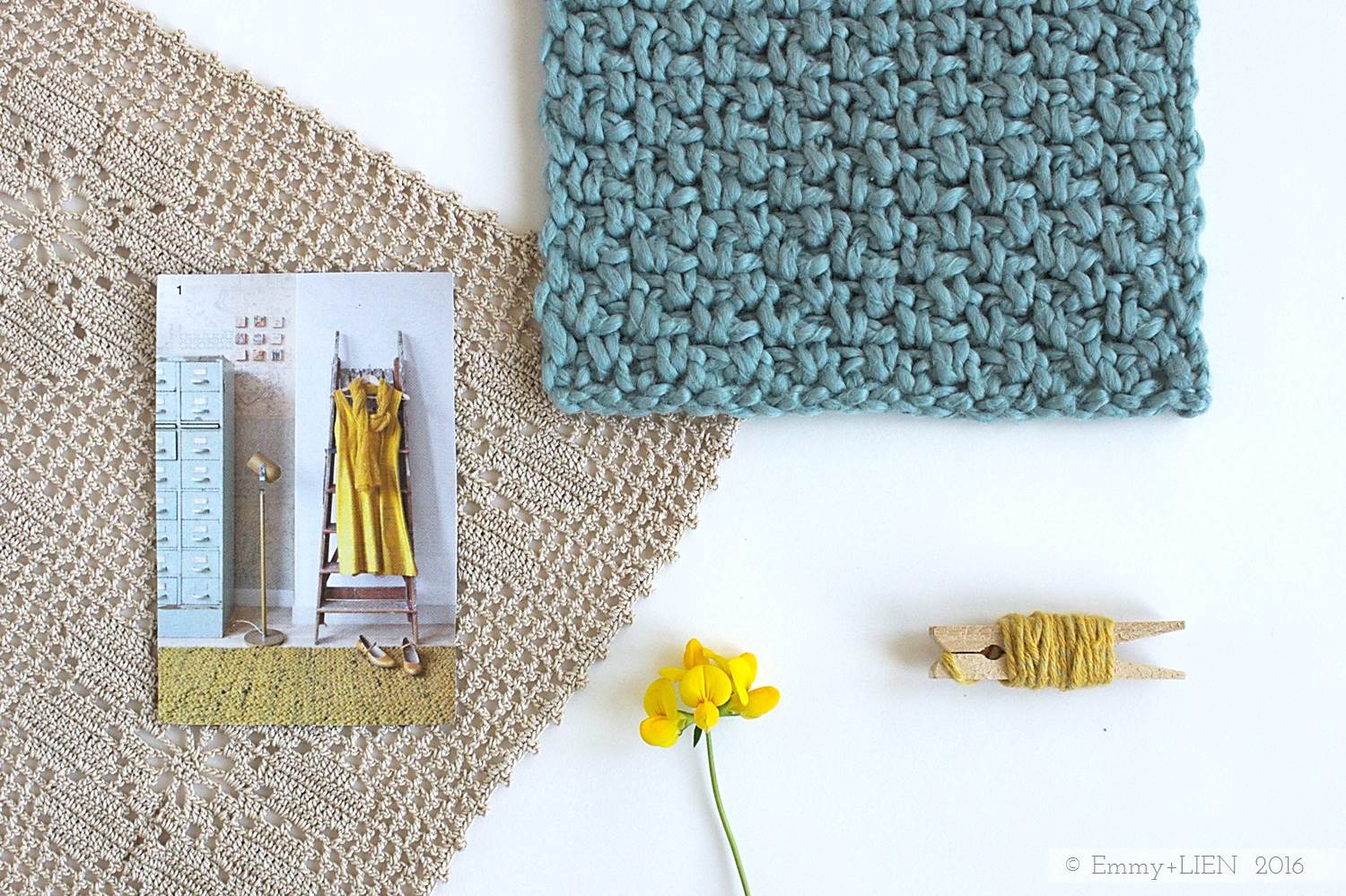
Yesterday I handed in a stack of autumn/winter design proposals. Now I just have one or two more things to try out for the Emmy + LIEN label, and then I think I can draw a line under all things dark and wintry. Only until the sample making starts, of course, but the initial head-scratching part is done. The result: a stack of swatches. About a month's worth of work. Doesn't look like much does it?!

One late summer design has snuck in there, and I wanted to pull it out for a little sneaky peek. And a yarny drool.
Meet my new crush: Pickles. They're based in Oslo and, oh my, don't they ever produce deliciousness. I ordered two types (for now!), Summer Wool and Thin Organic Cotton.

Summer Wool consists of 70% organic cotton and 30% fair trade Peruvian merino. Plant-dyed, entirely scrumptious, and swiftly set aside for a knitted cardigan for Yours Truly (more on that another day).
Thin Organic Cotton isn't actually that thin - it works up almost like a worsted weight rather than a DK - but it is very lovely. It feels much softer than 100% cottons usually do, and so it's perfect for a summer to mid-season vest design I've had in mind. Though I normally get lead times spectacularly wrong, this *should* be coming out fairly soon. Swatch done, colours picked, mood board fun had. First test subject: the Bean (though I think it'll be a child to adult pattern - I want me some of this too!).

I'm waiting for the rest of the yarn I need to make up the sample to arrive. I settled on this muted "sea water" blue, and added a yellow called "sun". Sounds like a perfect summer of making to me.
Just so you know: I have not been compensated in any way for writing this post.
![Coming full [yarn] circle - On making, and making informed choices](https://images.squarespace-cdn.com/content/v1/56b0b1c737013ba7c302f42c/1457706783496-LLKLLZY3XFVRWIQ0BAG4/Circle.1_doodles.jpg)
Coming full [yarn] circle - On making, and making informed choices
During the planning process of this site I realised I needed to pay more attention to how and where the materials I use were made. Given I see making as a way of nurturing the people I love, it made sense to give it this care. After weeks of 'homework' into animal herding, wool processing and wool trading (my evenings rock, I'm telling you), I drew my conclusions and set some yarn rules.

I spent most of my teenage and student years sketching, and was extremely particular about the materials I bought and used. Only certain paper weights would do. Derwent pencils, from independent art supply stores. Long conversations with the owners of said stores, about the merits of this putty rubber over another. I knew what I was talking about, what I was using and why.
These days I find it easier to do my doodling with yarn.
When I first picked up crochet again (I learned when I was about 8 but forgot about it for years), however, I didn't give it the same attention to detail. I was in what the ever-eloquent and inspiring Jen Gale at My Make Do and Mend Life calls the "sweetie shop stage". I gave precisely zero thought to where a yarn came from, who had produced it, and how. Colour vibrancy, squishiness and price dominated my buying choices. I even (gasp!) bought acrylic yarn.
During the planning process of this site, however, something in my attitude changed. Whenever we could afford it, I already paid a lot of attention to the food my family ate and the clothes we wore, in terms of sustainability, safety and quality. It suddenly made sense to apply that care to the yarn I use on a daily basis.

A few articles galvanised my thoughts - the one on "Slow Making" by Jen, which I've mentioned already, and one on "The Maker's Year" project by Kate from A Playful Day. As part of the project, Kate asks what drives us to create. I've always thought I do so to still my mind, but the more I thought about it, the more I realised there's another element to my compulsion to try all the things, all the time, all by myself (I'm determined to take up carpentry one day).
Making is a way of nurturing my family and providing for them. By cooking wholesome food when I have the time and energy (when I don't: instant ramen), yes, but also by making hats to keep them warm, quilts to curl up under, birthday shawls to show off. It is a way of showing how much I love them, which I'm otherwise not brilliant at. Last night my 3-year-old asked to be tucked up next to me under the hand-stitched quilt, said "it's so cosy in your bed, mama", and my heart sang. You get it, I thought.

Ultimately, I think our modern, Western society has lost touch with the idea that these handmaking skills are what allow a family to survive and to thrive. Of course I'm grateful I live in a place where everything I need is accessible, easy and available, but by crocheting, knitting and sewing all hours of the day I feel I reconnect with these old values. I feel I provide value.
It makes sense, then, to only use the very best materials I can afford, and to ensure that no-one suffers to make those materials available to me. That does mean I can buy them less frequently, and I do have to squeeze my eyes shut every time I walk past the shop with the cheap, pretty cottons. It is hard. But it is right. My yarn choices have come full circle, I feel.
So what does that mean for this site and my designs on a practical level? After weeks of 'homework' into sheep herding, wool trading and wool processing (I'm telling you, my evenings rock), I have made a few rules for myself.
YES to:
1. Organic where possible or failing that, Oeko-Tex certified (bonus points for both!)
2. Animal-friendly and staff-friendly production: free-range animals, fair trade conditions, etc.
3. Yarn made from recycled materials, reclaimed yarn, etc.
NO to:
1. Superwash yarn (until ecological superwash treatment methods become established), unless it's Oeko-Tex certified
2. Bamboo yarn, unless it's Oeko-Tex certified
There is more work to be done - I don't understand the dyeing process yet, for example - but I feel I'm making a good start. I've realised that I feel a sense of overall responsibility as a designer - a responsibility to develop patterns properly, for sure, but also to point you, crocheters and yarnists of all stripes, in the direction of materials that I personally believe in.
There are occasional screams of frustration. The holy grail of local AND sustainable AND suitable for the designs in my head still eludes me. But I'm ploughing on, talking to stockists, and testing new yarns every week. It allows me to make better choices, and my hope is that, although your choices are of course always your own, the yarn reviews I'm (currently! busily!) writing will at least inform you and inspire you to think about what you're buying too.
I'm joining in with the current theme of The Maker's Year: What does making mean to you?