
Maker's Maintenance
After a long winter being stuffed under bike helmets and dragged through snow, it was time for a little hat TLC. A little Maker's Maintenance - so easy to do, but so easy to neglect?

Finally, finally Spring has remembered its lines and the thickest of woollies can be put away for a few months. But first: a little maintenance.
These days the three of us wear mostly handmade winter woollies. A lot. Especially the 3-year-old; This being Scandinavia, severe weather is not an excuse for staying indoors and so after a whole, long winter his woollies were looking pretty, well, worn.
After a whole, long (did I mention it was long?) winter of being stuffed under bike helmets, dragged through rain and snow, and dipped (rubbed, probably) in wet sand, the pompoms weren't very pommy anymore. The brims had been stretched down their hu-LA-rious owner's chin a few too many times. Some straggly ends were poking out, what with weaving them in properly not being my strong point...
So this morning, with the sunlight finally streaming in, I sat down to do some Maker's Maintenance. I picked the dry leaves out and snipped off the sad little poms. I made new, properly smooshy pompoms. I re-wove the ends.
I added a couple of rows to the brims to bring them back in from their flappy state. This is so easy to do - just take a smaller hook than the pattern originally called for and work the same stitch (front and back post TC, in this case) into the foundation row or starting chain.

You're basically working upside down and changing the stitch direction, but I don't think it matters. Because, fast-moving 3-year-old.
Finally, I soaked them in some lukewarm soapy water to get rid of the worst of the grime, left them out to dry on the balcony, and attached the new pompoms. Smoosh.

They don't look fresh of the hook. It wouldn't have been a big deal to make a couple more hats, even - the pattern (details below) is really easy and fun. Also, maintenance is a bit boring compared to the excitement of making something new. But that is not point, I think.

High quality, responsibly-produced yarn is expensive. As a natural resource, it is also finite. By giving these little hats an hour or so of TLC, they'll last another winter. I won't be sending anything to landfill. And I'll have a bit more money left over for good materials for another make (it turns out I've made hats for everyone but myself, so far!).
These little hats are ready to be stored away now, and over the next few weeks I'll be washing, darning, re-weaving and otherwise squeezing the rest of our handmade woollies.
What do you do to ensure your makes last longer? Any tips?
The nitty-gritty
Pattern: Lake's Edge Hat by Kat Goldin
Yarn (bright stripes): Be Sweet Bamboo + DROPS Alpaca for the added brim
Yarn (neutral stripes): Lanar Big Merino & Maxi Soft
![Coming full [yarn] circle - On making, and making informed choices](https://images.squarespace-cdn.com/content/v1/56b0b1c737013ba7c302f42c/1457706783496-LLKLLZY3XFVRWIQ0BAG4/Circle.1_doodles.jpg)
Coming full [yarn] circle - On making, and making informed choices
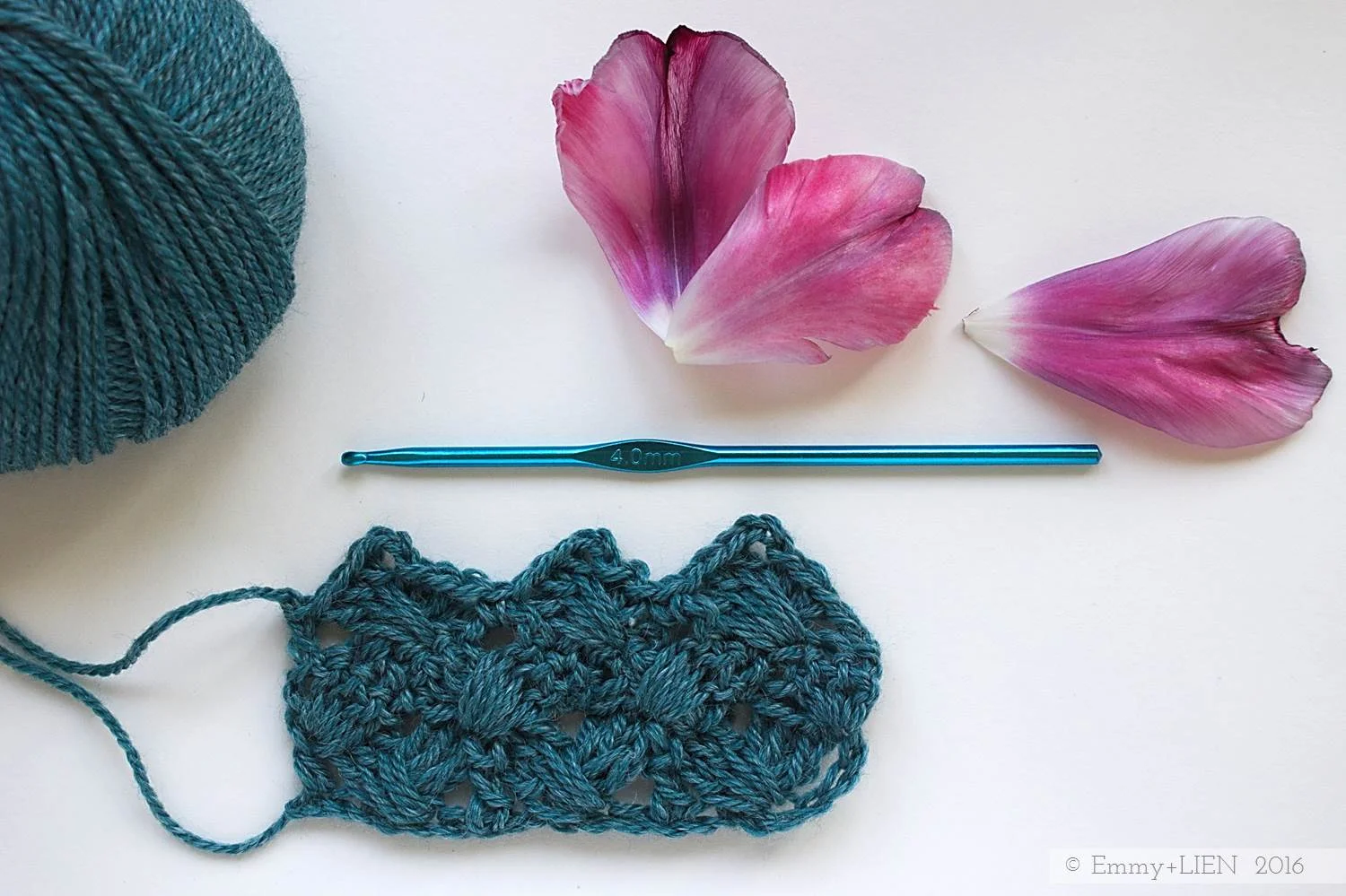
During the planning process of this site I realised I needed to pay more attention to how and where the materials I use were made. Given I see making as a way of nurturing the people I love, it made sense to give it this care. After weeks of 'homework' into animal herding, wool processing and wool trading (my evenings rock, I'm telling you), I drew my conclusions and set some yarn rules.

I spent most of my teenage and student years sketching, and was extremely particular about the materials I bought and used. Only certain paper weights would do. Derwent pencils, from independent art supply stores. Long conversations with the owners of said stores, about the merits of this putty rubber over another. I knew what I was talking about, what I was using and why.
These days I find it easier to do my doodling with yarn.
When I first picked up crochet again (I learned when I was about 8 but forgot about it for years), however, I didn't give it the same attention to detail. I was in what the ever-eloquent and inspiring Jen Gale at My Make Do and Mend Life calls the "sweetie shop stage". I gave precisely zero thought to where a yarn came from, who had produced it, and how. Colour vibrancy, squishiness and price dominated my buying choices. I even (gasp!) bought acrylic yarn.
During the planning process of this site, however, something in my attitude changed. Whenever we could afford it, I already paid a lot of attention to the food my family ate and the clothes we wore, in terms of sustainability, safety and quality. It suddenly made sense to apply that care to the yarn I use on a daily basis.

A few articles galvanised my thoughts - the one on "Slow Making" by Jen, which I've mentioned already, and one on "The Maker's Year" project by Kate from A Playful Day. As part of the project, Kate asks what drives us to create. I've always thought I do so to still my mind, but the more I thought about it, the more I realised there's another element to my compulsion to try all the things, all the time, all by myself (I'm determined to take up carpentry one day).
Making is a way of nurturing my family and providing for them. By cooking wholesome food when I have the time and energy (when I don't: instant ramen), yes, but also by making hats to keep them warm, quilts to curl up under, birthday shawls to show off. It is a way of showing how much I love them, which I'm otherwise not brilliant at. Last night my 3-year-old asked to be tucked up next to me under the hand-stitched quilt, said "it's so cosy in your bed, mama", and my heart sang. You get it, I thought.

Ultimately, I think our modern, Western society has lost touch with the idea that these handmaking skills are what allow a family to survive and to thrive. Of course I'm grateful I live in a place where everything I need is accessible, easy and available, but by crocheting, knitting and sewing all hours of the day I feel I reconnect with these old values. I feel I provide value.
It makes sense, then, to only use the very best materials I can afford, and to ensure that no-one suffers to make those materials available to me. That does mean I can buy them less frequently, and I do have to squeeze my eyes shut every time I walk past the shop with the cheap, pretty cottons. It is hard. But it is right. My yarn choices have come full circle, I feel.
So what does that mean for this site and my designs on a practical level? After weeks of 'homework' into sheep herding, wool trading and wool processing (I'm telling you, my evenings rock), I have made a few rules for myself.
YES to:
1. Organic where possible or failing that, Oeko-Tex certified (bonus points for both!)
2. Animal-friendly and staff-friendly production: free-range animals, fair trade conditions, etc.
3. Yarn made from recycled materials, reclaimed yarn, etc.
NO to:
1. Superwash yarn (until ecological superwash treatment methods become established), unless it's Oeko-Tex certified
2. Bamboo yarn, unless it's Oeko-Tex certified
There is more work to be done - I don't understand the dyeing process yet, for example - but I feel I'm making a good start. I've realised that I feel a sense of overall responsibility as a designer - a responsibility to develop patterns properly, for sure, but also to point you, crocheters and yarnists of all stripes, in the direction of materials that I personally believe in.
There are occasional screams of frustration. The holy grail of local AND sustainable AND suitable for the designs in my head still eludes me. But I'm ploughing on, talking to stockists, and testing new yarns every week. It allows me to make better choices, and my hope is that, although your choices are of course always your own, the yarn reviews I'm (currently! busily!) writing will at least inform you and inspire you to think about what you're buying too.
I'm joining in with the current theme of The Maker's Year: What does making mean to you?